Understanding the cost of water softener systems can feel confusing at first, especially with all the different types and options out there. Whether you’re dealing with cloudy glassware or stubborn soap scum, getting a water softener might be a good fix. I’ll break down what goes into the cost, the choices you’ll face, and some money-saving tips along the way, so you can make the best decision for your home and budget.
How Water Softener Costs Add Up
Picking a water softener isn’t just about buying a unit off the shelf and plugging it in. There are a few main pieces that factor into the final cost, from the equipment itself to getting it installed, plus the regular expenses like salt and routine maintenance.
I’ve seen people grab a budget model and end up spending more in the long run, while others go all in and barely touch the settings. Making sense of each piece of the cost puzzle can save you some headaches and wallet aches down the road.
The average cost for a whole house water softener can land anywhere between $400 for a basic DIY unit to $3000 (or even more) for high end, professionally installed systems. Those prices might look pretty far apart, but there’s a good reason for the spread.
Breakdown: Types of Water Softeners and Their Typical Prices
There are several types of water softener systems, and each has its own price range and maintenance style. Here’s what you’ll usually see when shopping around:
- Salt-Based Ion Exchange Softeners: These are the classics and often the most effective for really hard water. Expect to pay between $400 and $2500, depending on brand and size.
- Salt Free Water Conditioners: These use alternative media to tackle scale. The unit cost is usually $700 to $2700, but they have lower ongoing expenses since there’s no salt to buy.
- Dual Tank Systems: Great if your water use is high, or you want softened water around the clock. They can cost $1000 to $3500 or more, plus extra for installation.
- Magnetic/Electronic Descalers: These clip to your pipes and don’t actually “soften” water, but they do help with scale. Prices are pretty low, usually $50 to $400, but results vary and they don’t work for homes with really hard water.
It’s important to check out reviews or ask trusted sources about performance and ongoing expenses for each type before making a choice. Some brands throw in add-ons, warranties, or special features, which can justify a higher up-front sticker price but might help you save on service and repairs in the long run.
Installation Expenses: DIY vs. Pro Setup
Once you pick your water softener, the next question is installation. If you’re handy and choose a basic unit, you might be able to set it up yourself; just make sure your plumbing skills are up to the task. DIY installations usually cost nothing but your time and a few tools, but mistakes can sting.
Professional installation is a lot less stressful and comes with expertise. This usually runs from $200 to about $1200 on average, depending on where you live and whether extra plumbing is needed. If your home doesn’t have a water softener loop or easy access, expect costs toward the higher end.
Some plumbers include the first round of salt and a quick system walkthrough. I always ask up front to avoid any surprised add on charges.
Some people try setting up their own units to save on labor, but if you’re unsure, a pro can ensure everything is set up safely and according to local codes, potentially avoiding costly mishaps.
Ongoing Costs: Salt, Maintenance, and Repairs
Just like owning a car, water softeners come with regular costs after they’re installed. Here’s an idea of what to budget for:
- Salt or Potassium: Most salt based softeners need about $5–$25 of salt per month, depending on water hardness and household size. Potassium is also an option, but it’s pricier—usually two to four times the cost of salt.
- Annual Maintenance: It’s smart to set aside about $100–$300 a year for checkups, filter replacements, and tuneups. Some people handle basic maintenance themselves, but pros can spot issues early.
- Occasional Repairs: Unexpected repairs, like a stuck valve or sensor issue, usually cost $100–$500, depending on the fix. If your system is under warranty, parts might be free. Labor can still cost extra.
If you go salt free, you’ll spend less on regular upkeep, but you might need to replace the media every few years ($200–$600 depending on system type and brand).
Remember to write down when you last performed basic maintenance or swapped out media. Keeping up with scheduled upkeep avoids costly repairs and keeps your unit working well for years.
Hidden Fees and Other Charges Worth Knowing
Sometimes there are extra charges that don’t pop up right away. Here are some things I always pay attention to:
- Water Testing: Before you spend big, it’s a good idea to test your water for hardness, iron, and other stuff. DIY kits cost $20–$50, while a lab test can run $100–$200, but it gives you super detailed info.
- Permits and Codes: Your local area may require a plumbing permit to install a water softener. Permit fees are usually $50–$200. Skipping permits can be a headache if you sell your house or need insurance claims.
- Disposal of Old Equipment: If you’re swapping out an old unit, there may be a haul away fee ($50–$150) for the old tank and salt.
- Water Usage: Salt based softeners use extra water during regeneration, sometimes adding $3–$10 a month to your water bill, depending on your rates and system size.
Factors That Affect What You’ll Pay
A few things can push the cost up or down when you’re picking a system and planning installation.
- Water Hardness: If your water is super hard, you’ll need a bigger, pricier softener with more capacity.
- Home Size: More bathrooms and higher daily water use mean larger, more powerful systems.
- Plumbing Setup: If you have easy access to your main water line, installation will be cheaper. Complicated piping or crawlspaces add time, which can bump up the cost.
- Brand and Features: High end brands or extras like WiFi monitoring, leak detection, or extra long warranties will bump up the price.
Location can also play a role, as labor rates and material prices vary from place to place. If you live in an area with hard water issues, you might find more competitive prices or a wider selection locally, so check around before you buy.
Smart Ways to Save on Water Softener Costs
If you’re looking to keep costs manageable, here are a few tips I’ve picked up:
- Shop around and compare quotes, including installation. Sometimes small local companies are more reasonable than big box stores.
- Look for sales or bundles that include installation. Some dealers throw in the first salt fill or a maintenance plan for free.
- Consider a salt free system if you’re just tackling mild water hardness.
- Don’t skip professional water testing. Getting a system matched to your actual water quality can prevent wasting money on features you don’t need.
- Ask about warranties and read the fine print. Some parts warranties only cover tanks but not the electronics.
Also, ask if your water utility or municipality offers rebates for certain types of water softeners. Some areas encourage salt free models or more efficient units with modest discounts or tax breaks.
Common Questions About Water Softener Pricing
I get a lot of questions about the cost of water softener systems. Here are some of the greatest hits:
Question: What’s the cheapest type of water softener?
Answer: Magnetic descalers or basic singletank salt based systems usually cost the least up front, but check that they’re a fit for your water hardness levels.
Question: How much does it cost to run a water softener every year?
Answer: Most people spend between $60 and $300 a year for salt, maintenance, and water. Higher end or commercial systems might cost more.
Question: Are there any extra costs to keep in mind after installation?
Answer: Besides salt and filters, expect some added water use and possible repairs over time. It helps to budget a little extra for unexpected fixes.
What Features Matter Most (and Are Worth Paying For)?
Spending a little extra on certain features can make life a lot easier. Here are a few that I find super useful:
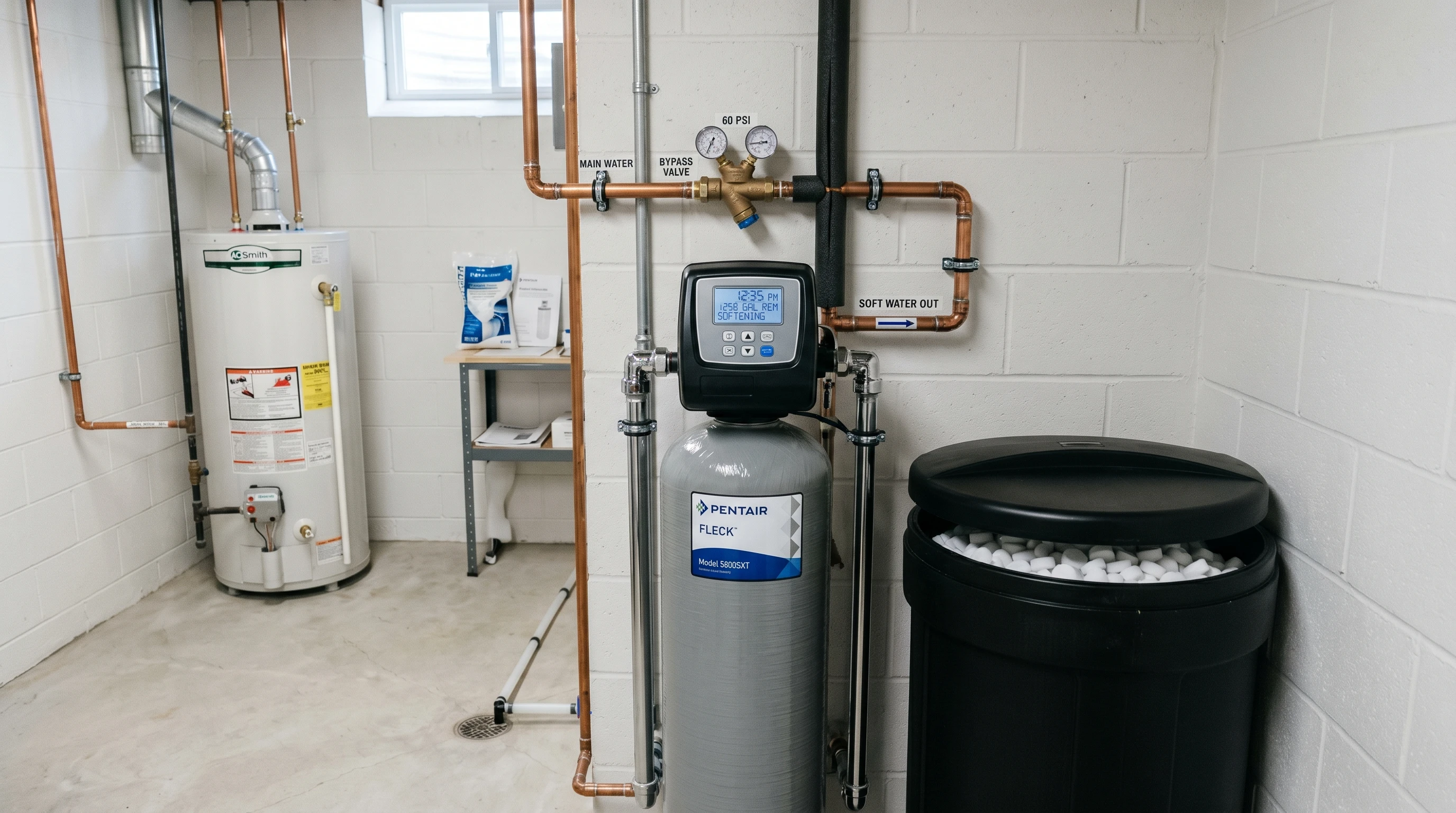
- Bypass Valves: Let you easily switch off the softener for outdoor watering or maintenance, saving salt and water.
- Low Salt Indicators: These handy alerts keep you from running dry in the middle of the week, so you’re not caught off guard.
- Metered Regeneration: The system only regenerates when needed, saving water and salt in the long run.
- Extended Warranties: Long warranty coverage on both tanks and electronics can save you money if anything goes wrong.
You may also want to consider easy access design, smart app connectivity, or quick release valve options for further convenience in day to day maintenance.
Choosing the Right Water Softener System for Your Needs
The best system for you depends on your water quality and what you want to spend. For super hard water or big households, a salt based or dual tank system might be needed. For smaller homes, light water use, or renters, salt free options are often enough and are easier to maintain. Always check your actual water hardness and think about upkeep before buying.
Careful research helps buyers make informed decisions and avoid hassle later. Don’t be afraid to ask questions or talk to pros; it can really pay off down the line. With a little planning, you’ll find a system that fits your home and your budget. And you’ll enjoy better water quality for years to come. Remember to stay sharp when shopping, track down deals, and always match your softener to your specific needs.
