
If you have a water softener at home, you probably like how it keeps your laundry soft, your hair feeling cleaner, and your appliances running better. Like any system that works behind the scenes, a water softener needs some regular attention to keep it in shape. Ignoring signs of trouble can mean expensive repairs later or losing out on the benefits you paid for in the first place. I’m breaking down what you need to watch for, along with some lessons from my own experience keeping these systems working smoothly.
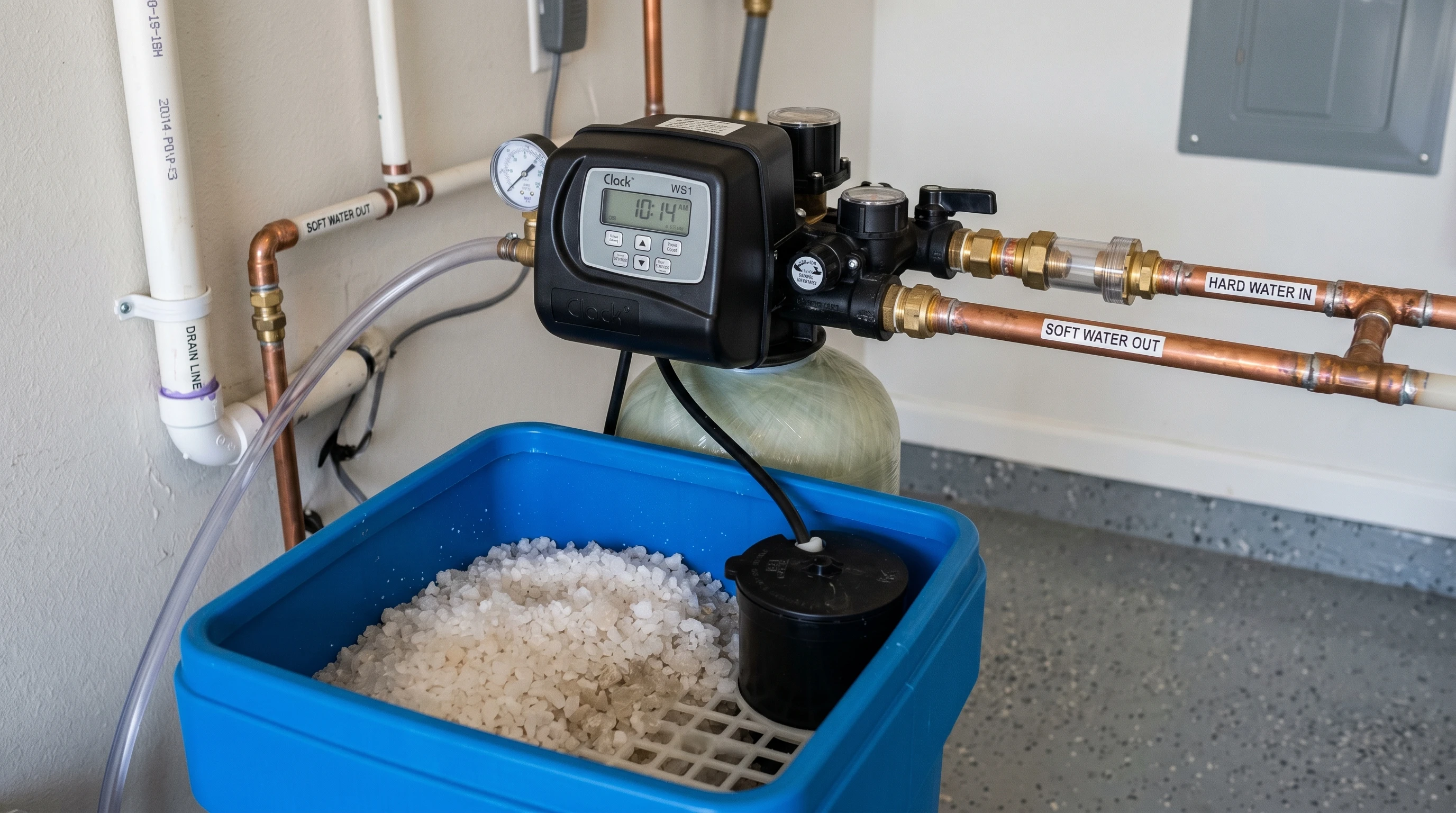
Why Regular Maintenance Matters for Water Softeners
Water softeners are pretty low on the upkeep scale compared to some household systems, but that doesn’t mean you can just ignore them entirely. They exist to take out minerals like calcium and magnesium that make water hard. This happens via a process called ion exchange, but it only keeps working well if the equipment is running right.
Salt bridges, resin buildup, and simple mechanical wear can slow down your water softener and even bring hard water back into your pipes. By keeping an eye out for warning signs and giving your system a little regular care, you’ll get more life out of your investment. The added bonus? Your water feels and tastes better every day.
Most Common Signs Your Water Softener Needs Maintenance
Spotting problems early means you can take care of them before they get expensive. Here are the main issues I’ve come across most often:
- Hard Water Spots and Soap Scum: If your dishes pop out of the dishwasher covered in chalky spots, or if your faucets and tiles have a white residue, it could be hard water sneaking back in. You might even notice it in your skin feeling drier or your hair feeling heavier.
- Salty or Metallic Taste in Water: Tap water that tastes bitter, salty, or metallic means the softener isn’t rinsing right or there’s a glitch in how it cycles. It’s time to check your system fast if your water suddenly tastes off.
- Softener Salt Tank Always Full or Empty: If your salt tank always looks full, a salt bridge or a clog might be blocking it from using salt. On the flip side, a tank that empties too fast could mean your system is struggling with high-hardness water or has a broken part.
- Unusual System Noises: New clunking, whirring, or grinding—sometimes even water hammer sounds—usually pop up just before a component fails. If your softener is suddenly noisy, you shouldn’t ignore it.
- Reduced Water Pressure: A sudden drop in water pressure points to a clogged resin bed or stuck valve, both of which can turn into bigger plumbing trouble without a fix.
- System Not Regenerating or Always Regenerating: If your water softener isn’t cycling (regenerating) when it should, or it’s running nonstop, timer or sensor issues are likely to blame.
Quick Troubleshooting Steps
Strange softener behavior can seem intimidating, but there are quick checks you can do before calling in a pro:
- Inspect the Salt Tank: Look for a hard crust (salt bridge) or soft, mushy salt piling up. Break up hard crusts with a broom handle. If there’s mush, scoop it out and top up with fresh salt.
- Double-Check Settings and Timers: Make sure your system is set to regenerate often enough for your home’s size and water hardness level. A wrong setting can be an easy fix.
- Clean the Nozzle and Venturi: These smaller areas can clog up. Unplug your softener and gently clean them out based on your manual’s instructions to help the flow return to normal.
- Flush the Resin Bed: Use the system’s manual cleaning or regeneration mode if your model has it. This can flush away mineral buildup, restoring softener performance.
Sometimes, it makes sense to skip the DIY and ask a professional. If your water still tastes weird, you notice a big drop in water flow, or electronic errors keep coming up, expert help is the way to go.
Things to Consider Before Performing Maintenance
You don’t want surprises or extra costs, so keep these basics in mind before tackling softener care:
- System Age: Systems ten years or older may need new resin to work at their best. This swap can make a huge difference in performance.
- Salt Type: Pellet salt is better than rock salt for most setups. Using the wrong salt can create clogs or extra sludge.
- Source of Water: Well water users face more iron and sediment, which means you should regenerate more often and clean bigger or extra filters.
- Manual and Warranty: Always peek at the manual before opening up your system. Manufacturers sometimes require special steps to keep your warranty in place.
Salt Bridges and Why They Happen
A salt bridge is a hard, crusty layer that forms above the water level in your softener’s tank, stopping water from getting to the salt it needs. This is extra common in humid spaces or when people don’t check salt levels regularly. If the tank looks full but the softener is acting like it’s run dry, poke around to see if a bridge is hiding under the surface.
Resin Bead Lifespan
Most resin beads last around 8 to 12 years. When you see a steady decrease in softening power and regular fixes aren’t working, swapping out the old resin for new usually solves the problem. It’s worth the upgrade if your system is aging.
Clues from Water Usage and Appliances
Little clues from appliances like your coffee maker, kettle, or humidifier can tip you off before a serious issue develops. Sudden scale buildup or soap taking forever to lather are signs your softener needs attention soon.
Pro Tips for Maintaining Your Water Softener
Some maintenance is easy to do at home, while some jobs are best left to trained techs. Here’s what I always recommend for homeowners:
- Use Clean, Quality Salt: High-quality salts produce less residue and sludge. It helps the system run longer and cuts down on cleaning.
- Routinely Check the Brine Tank: Once a month, peek in for buildup or odd colors in the tank. Removing gunk before it piles up makes maintenance simpler down the road.
- Run a Cleaning Solution: Once or twice annually, running a cleaning solution through your softener helps break down scale and buildup. Always follow the product and manufacturer’s recommendations for safe use.
- Know How to Use the Bypass Valve: It’s smart to know how to switch your softener to bypass if needed for repairs or vacations; this keeps the rest of your water lines working as usual.
FAQ: Common Questions About Water Softener Maintenance
Over the years, several questions about water softener care come up again and again. Here are some quick answers to the big ones:
Question: How often does a water softener need to be serviced?
Answer: Most systems do fine with a professional check-up once each year. You can handle salt level checks and basic tank cleaning monthly, but a yearly visit from an expert helps spot issues before they turn costly.
Question: What salt should I use for my softener?
Answer: High-purity salt pellets or cubes are the top choice for just about every water softener. Skip the “rock salt” or any product labelled for ice melt—they produce more residue and can clog your system.
Question: Can I run out of resin beads in my softener?
Answer: The resin beads don’t really disappear, but they will wear out with use. Systems over 8 to 10 years old or those that have lost power sometimes suffer from resin break down. If water isn’t soft anymore, it’s probably time to replace the resin bed.
Question: Is that slimy feeling after washing caused by the softener?
Answer: Yes, and it’s completely normal! Soft water lets soap rinse away easily and leaves your skin feeling smoother. If it feels too strong, check your regeneration settings to make sure they’re not set too high.
Key Takeaways for Keeping Your Water Softener in Shape
Staying on top of water softener maintenance really matters if you want to keep your home’s water pleasant and problem-free. Catching early warning signs—like extra scale, changes in taste, or louder-than-normal cycles—means you can handle issues quickly. Keeping your user manual nearby, picking the best salt, and scheduling monthly checks are great habits to form. Regular pro servicing will help your softener last longer, keeping showers soft and appliances running at their best. Looking out for these details doesn’t take much time, but it’ll save you money and headaches in the long run. Don’t forget: a little care goes a long way when it comes to getting the most from your water softener.
