Troubleshooting Common Water Softener Issues In Fort Myers

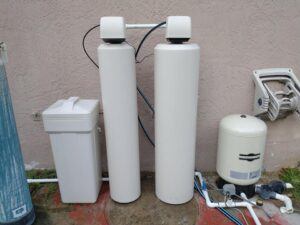
Water softeners basically take your hard water and transform it into something more usable. In Fort Myers, dealing with hard water isn’t just an inconvenience; it can lead to serious issues around the house. What these devices do is swap out hard water minerals, mostly calcium and magnesium ions, for sodium ions through a process called ion exchange. This means less wear and tear on your appliances and better soap lather, which is always a plus.

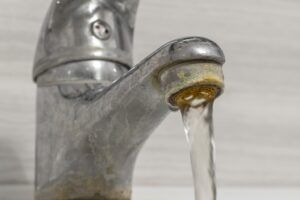
Fort Myers, sitting right in the heart of Florida, is notorious for its hard water. This isn’t just some random little inconvenience you can ignore—it’s a real deal issue. Hard water affects practically everything, from how your dishes sparkle to how long your water heaters last. Plus, those pesky deposits shorten the lifecycle of your home equipment, and even impact the plumbing.

Think about the benefits a water softener can bring. With a decent system, you’ll notice household chores like cleaning dishes or washing clothes become less of a hassle—no more fighting water spots or stiff fabrics. Also, softeners can be a game-changer for your skin and hair. Hard water can dry out the skin or leave your hair feeling a bit like straw, but softener-treated water eases that up nicely.

A good system keeps your wallet happy by reducing repair costs, extending appliance longevity, and saving on energy bills. So there’s real value in having a water softener working away for you, especially around Fort Myers where hard water is everyday life.

Identifying Common Water Softener Problems

Water softeners do a pretty good job at keeping your home running smoothly, but they can hit a few bumps along the way. Recognizing when things aren’t working right is key. In Fort Myers, some of the usual suspects include mineral buildup, strange water tastes, and ineffective softening—just to name a few.

Ever noticed a soap scum layer in your bathtub or crusty white spots on your dishes? These are classic signs your water softener might be slacking off on the job. It might also start using up salt too quickly or produce water that feels oddly slick or salty.

There are quite a few things that can trip up these machines. Mineral deposits can block the resin beads, or the timer or motors might start acting up. Sometimes it’s a matter of simple oversight like not restocking the salt or dealing with a clogged inlet or outlet.

It’s all about keeping an eye out for these early signs so you can jump in and troubleshoot before it turns into a major hiccup. That soap scum or those cloudy spots are shouting at you to take action sooner rather than later! With the right attention, you can keep it humming along without a hitch.

DIY Solutions: Tackling Minor Water Softener Issues

Sometimes, water softeners just need a bit of a nudge to keep doing their thing. Regular maintenance is your first line of defense, and it’s easier than you’d think. Start by cleaning out the brine tank. This is the spot where salt does its magic, but over time, it can turn into a gunky mess if ignored.

Got low water pressure? It might be the bypass valve. Check that it’s fully open so water can flow through. If the water tastes or smells a bit off, you might need to recharge the resin beads or check for a salt bridge—a crust-like layer that forms and keeps more salt from dissolving into the water.

Every bit helps with these machines. Mixing in a routine checklist like checking for salt bridges and ensuring the right salt level in the brine tank can prevent many issues. And don’t forget to reset the timer if you’ve had a power outage, as it might disrupt the softening cycle.

Now, think safety first. Some issues are cool to DIY, but if you’re skittish around electric stuff or if it looks like a serious waterworks issue, it’s time to call in the pros. Better to play it safe than to get in over your head, right?

When to Call a Professional for Your Water Softener

Sometimes, DIY fixes just won’t cut it, and knowing when to let the experts step in can save you time and money. If your water softener starts acting up every week or you suspect there’s a major problem, it’s time to bring in a professional.

Certain situations practically scream for expert intervention. If you’re noticing electrical issues, like your system not turning on or strange lights blinking, that’s a sign to unplug and call someone. Plumbing complications, such as consistent leaks or pressure problems, also warrant professional eyes.

There’s definitely an upside to leaving it to the pros. Certified repair folks bring that necessary know-how and tools to tackle complex repairs and ensure everything gets back to top condition without added headaches.

Finding a good technician for these tasks means doing bit of homework. Look for local Fort Myers specialists, check their credentials, and skim through reviews online. It’s worth the effort to find someone reliable who has rave reviews, so you don’t have to keep searching for help every few months.

So, remember, a little professional help can go a long way in keeping your water softener running without a hitch, making sure your Fort Myers home stays comfortable with that sparkling clean water.
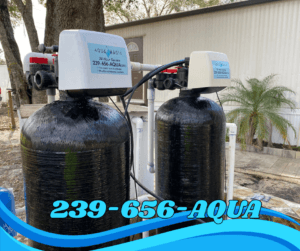
How Sulfur Filters Work: The Science Behind Clean Water

Ever turned on the tap and got a whiff that reminded you of rotten eggs? Yeah, that’s likely sulfur in your water. It’s a common issue, especially around Fort Myers, Cape Coral, and Naples, where groundwater can pick up hydrogen sulfide from natural sources.

Sulfur might not harm you directly, but boy, it sure can make your water stink and taste weird. That’s where sulfur filters step in. These bad boys are all about grabbing that stinky sulfur and leaving you with fresh, clean water.

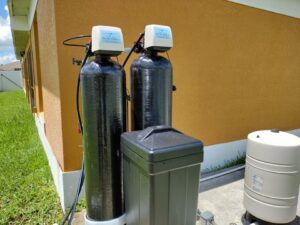
Here’s how it works: sulfur filters use a special agent, some kind of media that reacts with sulfur compounds, pulling them out of the water. Think of it like a superhero swooping in to save your tap from smelling like a science project gone wrong.

But why worry about sulfur? Besides the smell (which is enough to put anyone off), sulfur can stain your sinks and clothes. It might also mix with bacteria, potentially posing a health risk. So, filtering it out keeps your home safe and livable.

If you’re hanging around places like Lehigh Acres, you’re likely familiar with these sulfur related headaches. Fortunately, understanding how sulfur filters work can help you decide if you need one in your home or business.

The Science Behind Sulfur Removal: How Filters Work

You might be asking yourself, “What’s really going on inside those sulfur filters?” Well, let’s break it down. You’ve got sulfur floating around in your water mostly as hydrogen sulfide. That’s the culprit of that infamous rotten-egg odor.

These sulfur filters work some pretty neat chemistry tricks. Inside, they usually have a media or agent that interacts with the hydrogen sulfide. This interaction changes the sulfur into something else—like an insoluble sulfur compound—that the filter can easily catch and hold onto.

There are different kinds of media that filters use for this job. A popular choice is manganese dioxide, which is a powerhouse at oxidizing hydrogen sulfide, turning it into solid sulfur. In the Fort Myers and Cape Coral areas, where groundwater can have high sulfur content, this method is quite effective.

You might also hear about oxidation-reduction filters that use air injection. These systems add oxygen to turn hydrogen sulfide into a solid, non-smelly particle. It’s another approach to take on sulfur in our neck of the woods.

For those living in Southwest Florida, you’re likely dealing with varied water conditions. Local geology means different spots, even those close by like Naples and Lehigh Acres, might need slightly different setups to tackle the sulfur problem efficiently.

Understanding these processes helps when you’re staring at a shelf full of filter options. Knowing that not all filters handle sulfur the same way lets you choose what’s best for your home and water type.

The Benefits of Sulfur Filters: Health and Aesthetic Advantages

Cleaning up the sulfur from your water doesn’t just cut out the bad smell. There are plenty more perks waiting on the other side once you start using a sulfur filter.

Let’s talk about health first. While sulfur generally isn’t super harmful in small amounts, drinking sulfur-contaminated water over time could mess with your digestive system. Getting a filter in place minimizes these health worries and ensures you’re sipping on safe water.

One big win for your wallet is the economic benefit of having high-quality water. If you think about it, sulfur can stain appliances and damage water heaters, leading to costly repairs or replacements. Getting rid of sulfur early can save those bucks in the long run.

Now, think about hosting a dinner or simply grabbing a glass of water with no hesitation because it doesn’t reek. Sulfur filters enhance both the taste and smell of water, making hydration a pleasant experience rather than a dreaded chore.

Around Fort Myers and Naples, many locals are already on board with these perks. Residents often share how swapping to sulfur filters made a huge difference not only in their homes but also in their daily lives. Maybe a neighbor down the street already boasts about their fresh water courtesy of one of these filters.

Choosing the Right Sulfur Filter: Tips for Homeowners in Florida

Picking out the right sulfur filter for your home isn’t a one-size-fits-all scenario. It’s important to consider a few key factors before making a decision. First off, know your water. Getting your water tested is a solid step because it helps pinpoint how much sulfur you’re actually dealing with and whether other contaminants or conditions need addressing too.

Budget is another biggy. There are various systems out there from basic setups to high-end tech wonders. The trick is finding that sweet spot between your needs and what you’re willing to spend. Quality doesn’t always mean the most expensive, but you don’t want to cut corners either! Do a bit of homework and remember, it’s an investment in your health and home.

Size and capacity matter, especially if you’re running a larger household or business. A filter that’s too small might not keep up, while an oversized one could be overkill and a waste of cash. Tailor your choice to your specific usage and local water conditions in places like Lehigh Acres and Cape Coral where needs can vary.

Now, where to snag the right gear? Local retailers across Southwest Florida can often help guide you to the picks suited for regional water issues. Chatting with folks who know the local water quirks can give you that peace of mind you’re buying something up for the job.

By making informed choices, you won’t just solve a problem – you’ll be ensuring the quality of life at your place remains top-notch, whether you’re in Naples, Fort Myers, or another spot in sunny Florida.

Maintaining Your Sulfur Filter: Ensuring Long-Term Efficiency

Keeping your sulfur filter in peak condition isn’t just a one-and-done deal. Regular maintenance is the name of the game if you want to keep enjoying your fresh, stink-free water.

Filters have a lifespan, and replacements are inevitable. It’s crucial to check the manufacturer’s guidelines to know when it’s time for a swap. Look out for signs like a return of those dreaded odors or reduced water pressure, which might mean a change is due.

Routine cleaning is part of the upkeep too. This involves following any maintenance-specific instructions your filter system requires. Neglecting cleaning can build up gunk and ultimately reduce the filter’s effectiveness.

Learning to troubleshoot common issues can save you some headaches. Got some cloudy water or oddly colored droplets? Understanding these quirks can often point you towards a simple fix or the need to call in a pro.

Speaking of pros, it’s always good to have a go-to resource in your area. In cities like Naples and Fort Myers, local experts can offer expertise and services to keep things running smoothly, ensuring your filter system gets the care it deserves.

By keeping a consistent maintenance routine, you’re safeguarding the investment in your home and ensuring that every glass of water is as clean as the first.

Do Sulfur Filters Really Work? Pros And Cons To Consider

Sulfur filters are becoming a hot topic in the world of water purification, especially for folks living in places like Fort Myers, Cape Coral, and beyond. What do they actually do, though? In a nutshell, these filters are designed to tackle hydrogen sulfide, the pesky compound responsible for that infamous rotten egg smell in water. Nobody wants that in their glass of water, right?

Sulfur filters work their magic by removing the hydrogen sulfide gas, which doesn’t just stink up your water, but can also lead to corrosion in your pipes and appliances. In areas around SW Florida, this is a pretty big deal. The local water systems can have high levels of sulfur naturally occurring, making these filters all the more important.

But how do they do it? Well, sulfur filters often employ a variety of methods like oxidation or aeration to convert the hydrogen sulfide into solid sulfur, which is then filtered out. This process leaves you with water that smells and tastes a whole lot better.

While the concept might sound pretty scientific, the real-world benefits are easy to appreciate. By cutting back on that sulfur stink, these filters enhance the water’s aesthetic appeal and reduce wear and tear on your home’s plumbing, which can save you a chunk of change in the long run.

For folks in SW Florida areas like Naples and Lehigh Acres, where water quality is a constant concern, having a sulfur filter can mean the difference between water that’s just plain safe and water you actually enjoy drinking. And honestly, who doesn’t want that?

The Effectiveness of Sulfur Filters: Evidence and Results

When it comes to judging the effectiveness of sulfur filters, science and local stories paint a pretty clear picture. Researchers have shown that sulfur filters do a solid job in removing hydrogen sulfide, improving both smell and taste of water significantly. For areas like Fort Myers and Cape Coral, this makes a real difference.

Case studies coming out of these regions often highlight the transformation in water quality once these filters are installed. Many residents report not just an elimination of that notorious sulfur smell, but also a noticeable improvement in water clarity and overall quality.

In Fort Myers, there’s a noticeable shift in consumer satisfaction after integrating sulfur filters. Just ask around! Locals claim their morning coffee tastes better, their shower is more pleasant, and even their laundry seems fresher. It seems like a small change, but the impact on daily life can be pretty profound.

Expert opinions confirm these observations. Water treatment specialists often recommend sulfur filters as a smart move for homeowners dealing with sulfur-heavy water sources. They point to the filters’ ability to enhance long-term water quality without the need for constant oversight or maintenance.

Speaking to folks across Naples and Lehigh Acres, there’s a common theme of relief and satisfaction. With better water quality, residents feel more confident in their home’s infrastructure and personal health, freeing them from the constant worry about water issues.

Pros of Using Sulfur Filters in Your Home

When it comes to installing sulfur filters in your home, the perks are pretty compelling. First off, you’re looking at a serious boost in water quality. That rotten egg smell and off-putting taste? Gone. Instead, you get water that you actually enjoy drinking and using.

Beyond just making water more palatable, sulfur filters can play a big role in reducing potential health risks. Hydrogen sulfide in water isn’t just a nuisance; in higher concentrations, it could have health impacts. By filtering it out, you’re making your water safer for everyone in the home.

Then there’s the impact on your home’s plumbing and appliances. Sulfur can cause corrosion over time, leading to costly repairs or replacements. By getting rid of it, you’re prolonging the life of your pipes and fixtures, which can lead to savings down the line.

Another big win for sulfur filters is their ability to save on energy. Without the buildup caused by sulfur, water heaters and other appliances operate more efficiently, keeping utility bills in check.

Lastly, let’s talk about the benefits to the environment. Sulfur filters tend to be less wasteful than some other systems because they focus on removing a specific element effectively. This specificity means minimal energy consumption and less environmental impact overall. So, whether you’re eco-conscious or just looking out for your wallet, sulfur filters can be a win-win.

Cons and Considerations: Is a Sulfur Filter Right for You?

Despite the benefits, installing a sulfur filter isn’t without its considerations. First on the list is cost. The initial investment for a good sulfur filter system can be a bit steep. On top of that, there might be some ongoing maintenance expenses that need to be factored into your budget.

Another thing to keep an eye on is potential side effects on water chemistry. Removing sulfur might change the balance of other minerals in the water. It’s crucial to ensure these changes don’t introduce other issues. Consulting with a water treatment expert can provide clarity here.

Installation is another point to consider. Getting everything set up usually requires a professional to ensure the system runs smoothly and effectively. It’s not exactly a DIY project unless you’re handy with plumbing and understand water systems.

When evaluating whether a sulfur filter is worth it, you have to weigh the return on investment. For many in Lehigh Acres, the decision often comes down to personal preference and specific water issues. Do the benefits outweigh the costs and effort in your situation?

At the end of the day, it’s worth reaching out to local professionals or homeowners who have already made the leap. Learning from their experiences can help you figure out if a sulfur filter fits your needs perfectly or if another solution might be a better fit.

Making the Decision: Assessing Sulfur Filters for Your Needs

Choosing a sulfur filter for your home is a decision that shouldn’t be taken lightly. It’s important to ask the right questions to determine if this type of filter is truly what you need. For starters, consider the specific issues you’re facing with your water supply. If sulfur is the main culprit, you’re on the right track.

Getting expert advice is always a good move. Local water treatment professionals in places like Naples or SW Florida’s various communities can provide insights that are especially relevant to where you live. They can help determine the concentration of sulfur in your water and recommend the best type of filter.

In some cases, comparing sulfur filters with alternative purification systems might be smart. There are options like reverse osmosis or even simpler filtration systems that could address your concerns more effectively or cost-efficiently. Assess these against your needs and budget to make an informed choice.

Ultimately, the goal is to ensure that you have safe, reliable access to clean water. Weighing the pros and cons thoughtfully and speaking with local experts can guide you in making the best decision for your household and your peace of mind in areas like Fort Myers and beyond.

Choosing The Right Sulfur Filter: A Beginner’s Guide

Sulfur in your water isn’t just a nuisance—it’s a real game-changer for your home’s plumbing and possibly your health. If you’re in Fort Myers, Cape Coral, Lehigh Acres, or Naples, you might already know how that unmistakable rotten egg smell can sneak up on you. It’s sulfur, and it loves making itself known.

In these regions of Florida, the presence of sulfur compounds in your water system isn’t uncommon. It isn’t exactly invited to the party, but it crashes anyhow, bringing along its distinct odor and possible corrosive effects on pipes and fixtures. Not to mention, it might mess with the taste of your tap water or even some foods when cooking. But don’t worry, you’re in the right place to figure out how to deal with it.

Sulfur filtration is a must-have for many local homes. It’s like that steadfast friend who’s got your back when the chips are down. It efficiently removes the hydrogen sulfide gas that causes all that trouble. Whether it’s through simple filters or more advanced systems, every homeowner finds themselves needing some level of protection from sulfur’s unwelcome additions to their water supply.

Let’s get familiar with some of the ways to tackle this problem, from basic filtration methods you can DIY, to sophisticated systems best left to the pros. Each method has its quirks, but they all aim to give you that fresh, clean water vibe. Understanding these basics will set you up to make smarter choices down the road.

Types of Sulfur Filters: Which Fits Your Needs?

Navigating the world of sulfur filters is like choosing the right tool from a crowded toolbox—each has something different to offer. So, what’s out there?

Multi-stage filtration systems are pretty popular among locals. These systems work like team players, tackling more than just sulfur. They also take on sediments and other impurities in your water, offering a comprehensive clean-up. If you’re dealing with more than just bad smells, this might be your go-to.

Oxidation systems are impressive little setups using chemicals or processes like air injection. They break down sulfur compounds so your water comes through fresh and clean. Great for a steady battle against sulfur’s smell, these systems are a solid choice for many.

Catalytic carbon filters have taken many by surprise with their efficiency. They act like a magnet for impurities, pulling them right out of your water supply. If you’re interested in a filter that’s powerhouse yet simple, keep catalytic options in mind.

Every type brings its own kind of magic. Still, they have pros and cons that need your attention, balancing between effectiveness, maintenance, and cost. Knowing these can help you figure out what aligns with your household’s needs. In Fort Myers and nearby towns, it’s not just about managing sulfur—it’s about enhancing your day-to-day life.

How to Choose the Right Sulfur Filter: Key Considerations

When you’re in Southwest Florida, understanding your water quality becomes a bit of a science project. The first step is knowing what you’re dealing with—is sulfur your only issue, or are there other contaminants crashing the party as well? Getting a professional water test can lay these questions to rest, giving you a roadmap before you dive into solutions.

Choosing the right filter isn’t just a matter of snatching the nearest option off the shelf. Thinking about the size and capacity suited for your household’s water usage is crucial. If you’ve got a larger family or regular visitors, a filter with a higher capacity makes life easier, ensuring that every sink, shower, and tap keeps the clean water flowing.

Let’s not kid ourselves—installation and operational costs can hit the wallet, so balancing these with the benefits ensures you’re getting your money’s worth. Some systems, while effective, might require more frequent upkeep or involve parts that need periodic replacement. Thinking about long-term expenses is as smart as making the initial selection.

Also, it’s worth considering if ease of maintenance is high on your priority list. Some filters practically take care of themselves, while others demand a close eye and regular TLC. Make sure you know what kind of commitment each system requires. After all, the best filter is one that suits your life without becoming a cumbersome chore.

Maintenance and Upkeep: Ensuring Longevity of Your Sulfur Filter

Keeping your sulfur filter in good shape is all about regular check-ins and a bit of elbow grease. Just like you wouldn’t let your car run without oil changes, keeping your filter maintained will ensure it keeps kicking sulfur to the curb.

Routine maintenance is all about the basics and being consistent. Whether it’s checking for wear and tear or cleaning out any build-up, these steps can make a huge difference. Some filters need a simple rinse, while others might need a swap of components every few months. Knowing what’s required can help prevent any nasty surprises.

Problems can pop up even with the best filters—it’s just part of the deal. Maybe the filter doesn’t seem as effective, or there’s still a whiff of that sulfur smell. Troubleshooting guides and the filter’s manual could become your best mates. Don’t shy away from reaching out to customer support. They often have insights that are genuine lifesavers.

Thankfully, Fort Myers and the surrounding areas are flush with professionals who know their stuff about sulfur filtration. Having local experts on speed dial for those maintenance moments can turn what seems overwhelming into something easily manageable. They can offer a hand, whether it’s repairs, parts replacements, or just some solid advice.

Letting your filter fall off your radar is tempting, especially when things seem fine. But putting in time and effort to keep it running smoothly pays off in spades, leaving your home with water that smells great and is reliable day after day.

Case Studies and Recommendations for Florida Homeowners

Real-life stories can really bring things home, and folks around Lehigh Acres have plenty to share about sulfur filtration. Take one local homeowner who battled that notorious eggy smell for years. They found their knight in shiny armor with a multi-stage filter that snagged the sulfur, leaving their water crystal clear and smell-free.

Listening to those who’ve walked the path can be incredibly useful, especially when faced with a similar challenge. Floridians have found that some sulfide-reducing filters run the extra mile in this region’s unique climate and water conditions. They speak highly of filters that hold up well under the hot and humid sun.

Expert recommendations also come in handy, giving you tailored advice for the specific quirks of the area’s water systems. For instance, catalytic carbon filters have earned a solid reputation in Naples, handling the job effectively without fuss. Experts often suggest selecting systems designed to handle multiple water quality issues, given the complexity of many households’ needs.

It’s worth calling out some local companies and services, too. Trustworthy services abound in Cape Coral and nearby areas. Partnering with these local pros not only supports the community but guarantees you’re getting filters and advice suited to local needs and conditions. It’s about finding that perfect match between reliability and local expertise, ensuring your water stays fresh and clean.

Top 5 Signs You Might Need A Sulfur Filter For Your Home

Sulfur filters aren’t something most folks immediately think about until they’re hit with that unmistakable ‘rotten egg’ smell in their water. If you’re living in places like Fort Myers or Naples, FL, this might be a familiar story. As beautiful as these spots are, they can sometimes serve up a whiff of sulfur that invades your otherwise pristine home environment.

The root of this odor problem often lies in hydrogen sulfide in the water supply. It’s not just about an uncomfortable smell either. We’re talking about potential health risks and impacts on everything from drinking water to laundry.

Understanding and recognizing these issues early on is key. Why put up with an unpleasant and potentially hazardous environment when there’s an effective solution right at your fingertips? With sulfur being a pretty common contaminant in the rich, mineral-heavy waters of Florida, especially in areas like Fort Myers, Cape Coral, Lehigh Acres, and Naples, knowing the signs that you might need a sulfur filter can save you a lot of hassle down the line.

High quality water isn’t just a luxury— it’s a necessity. Poor water quality can affect your day-to-day activities, health, and even the longevity of household appliances. If you’re spotting any signs that feel off, it’s wise to start thinking about a fix before small annoyances become larger, costly problems.

Sign #1: Unpleasant Odors in Your Water Supply

That moment when you turn on the tap and get a whiff of something like rotten eggs? Yeah, that’s usually hydrogen sulfide making its grand entrance.

In spots like Fort Myers and Naples, many homeowners have unfortunately smelled this firsthand. It’s a common problem in areas with naturally occurring sulfur-rich groundwater.

While the smell itself is something to avoid, there’s more to it than just pinching your nose. Constant exposure could mean you’re dealing with water that affects hygiene and even personal health.

Ignoring these foul odors won’t just make you hold your breath every time you take a shower or do the dishes. Think about what it means for your skin, hair, and even the air around your home.

Before these minor irritations turn into a full-fledged crisis, it’s smart to consider installing a sulfur filter. It’s not just about masking a bad smell; it’s about ensuring every drop from your tap is fresh and safe.

Sign #2: Discolored Water and Plumbing Issues

Have you ever noticed your water coming out with a mysterious yellow or orange tint? That’s a telltale sign that sulfur might be creeping into your water supply, and residents of Cape Coral will tell you it’s not a pretty sight.

The discoloration often comes from the high sulfur content reacting with elements in your water pipes. Over time, this can lead to more than just unattractive water—it can wreak havoc on your plumbing system too.

While you might think you can live with a little colored water, ignoring it might land you with costly plumbing repairs or replacements down the road. Those pipes and fixtures aren’t just aesthetic features of your home; they’re vital components of your daily life.

Taking steps to address these issues early can save your wallet and peace of mind. A sulfur filter can act like a hero here by not only cleaning up your water but also preventing damage and extending the life of your plumbing. It’s like hitting two birds with one stone, only more humane and a lot more practical!

Sign #3: Unusual Taste in Drinking Water

Got that funky metallic taste lingering in your H2O? Not exactly the thirst-quencher you were hoping for, right? This off-putting taste can be attributed to sulfur impurities swirling around in your water, and it’s something folks over in Lehigh Acres have had their fair share dealing with.

Water is supposed to hydrate and refresh, not make you grimace with each gulp. But when sulfur takes over, even a simple glass of water can be hard to swallow.

Now, you might think you can simply buy bottled water or install a small filter on your kitchen sink. But hold up—sulfur in your water usually means it’s affecting all water sources in your home, from your bathroom to your laundry. It’s an all-around issue that often calls for a comprehensive solution.

Installing a whole-house filtration system purifies water throughout your home, ensuring every sip, every shower, and even each load of laundry is free from that pesky sulfur-tainted taste.

Taking this step can transform your daily living experience. Say goodbye to those metallic notes and hello to refreshing, crisp water anytime, without ripping your budget on bottled alternatives.

Sign #4: Staining and Frequent Appliance Maintenance

Ever done a load of laundry and found weird stains on your clothes? That’s enough to make anyone grumble, right? It’s a frustrating reality when sulfur finds its way into your wash cycle.

High sulfur levels don’t just mess with your wardrobe; they also leave annoying marks on your sinks and bathtubs. Places like Fort Myers and Cape Coral know this all too well, where water stains aren’t just blotches but daily disruptions.

And let’s talk appliances. Washing machines and dishwashers are meant to make life easier, not become a constant maintenance nightmare. When sulfur builds up, these workhorses could conk out or need constant repairs, making laundry day a real chore.

Instead of constant scrubbing and maintenance, a sulfur filter can step in as your household MVP. It reduces those mineral buildups, saving your clothes, fixtures, and even your sanity from endless cleaning cycles.

Investing in a good filtration system doesn’t just reduce stain-causing sulfur levels; it keeps your appliances running smoothly, so you get to enjoy fresh clothes without added hassle.

The Impact Of Hard Water On Plumbing And How To Purify It

Hard water is more common than you might think, especially in areas like Fort Myers, Cape Coral, and Lehigh Acres. It’s packed with minerals like calcium and magnesium, which, while safe to drink, can cause some serious head-scratching issues for your plumbing. Imagine all those minerals slowly building up in your pipes over time. Not a pretty picture, right? That’s a scenario many homeowners deal with regularly.

These mineral deposits can lead to clogs, reduced water flow, and even corroded pipes. All this gunk can damage your plumbing, causing everything from leaky faucets to less-than-impressive water pressure. If you’ve noticed these issues in your home, hard water might just be the culprit.

Now, if you’re living in Fort Myers, Cape Coral, or Lehigh Acres, you’re probably no stranger to this hard water business. The water in these areas tends to be loaded with minerals that can make your pipes and plumbing fixtures take a hit. It’s like your local water system is working against you, leading to these plumbing challenges.

So, what’s the damage in the long run? Well, persistent hard water exposure can shorten the life of your pipes and fixtures. Think of it as a slow and steady assault on your plumbing, forcing you to replace parts more often than you’d like. It’s not just about the annoyance—it’s about the long-term wear and tear that rakes up bills in repairs and maintenance.

Why Purifying Hard Water Matters

Dealing with hard water isn’t just a plumbing problem; it’s got other strings attached. Let me break down how this whole hard water scenario extends beyond your pipes.

First up, think about your health. Now, while hard water isn’t hazardous, the mineral content could leave your skin and hair feeling like they’ve been through a desert storm. Dryness, irritation, you get it. These effects are subtle but noticeable, trust me.

Then, there’s the appliances. Running on hard water, your washing machine, dishwasher, even your hot water heater, end up working overtime. More energy spent means higher utility bills. That’s something you’d wanna avoid, right?

There’s also the environmental angle. Over time, cleaning up these appliances or replacing them altogether means more waste. When you think about it, purifying water isn’t just saving your wallet; it’s a bit eco-friendly too.

Living in Fort Myers, Cape Coral, or Lehigh Acres, this purification isn’t just a luxury—it’s pretty much essential. Given how hefty the mineral content is around here, a bit of purification can go a long way in dialing down these impacts. A small investment here could save lots in the long run, and make life feel a whole lot smoother.

Effective Solutions for Purifying Hard Water in Your Home

Tackling the issue of hard water in your home begins with understanding the different ways to soften it. This isn’t just about one-size-fits-all solutions; it’s more about what fits best for your setup and lifestyle.

Water softeners come in various types, each with its own perks. The most common ones are salt-based systems, which exchange calcium and magnesium ions with sodium – pretty solid for most homes. For those who want to steer clear of salt, there are alternatives like salt-free water conditioners or reverse osmosis systems. Depending on your home’s water usage and mineral content, one of these might be your best bet.

If you call Fort Myers, Cape Coral, or Lehigh Acres home, you’re in luck. Plenty of local service providers in these areas specialize in water treatment solutions. They can help tailor a system to meet your household’s needs, ensuring minimal mineral invasion in your plumbing.

For the hands-on folks, DIY solutions might appeal. Installing a water softener yourself could save some cash, but there’s a trade-off. Professional installation often comes with warranties and ensures everything’s set up right. Given the complexity of some systems, this might be the safer route, especially if plumbing isn’t your forte.

Once you’ve nailed down the perfect solution, regular maintenance is key. Whether it’s refilling a salt tank or changing filters, keeping up with upkeep will ensure your system runs smoothly and effectively.

How To Test Your Water Quality Before Installing A System

Water is life, right? Especially in places like Lehigh Acres, Fort Myers, and Naples, FL, where sipping on clean water isn’t just about quenching thirst but also about staying healthy and avoiding those sneaky contaminants that might be hiding in your taps. Testing your water quality is the first step in the game of ensuring that what you and your family drink won’t do more harm than good.

The usual suspects in our water here might include anything from chlorine and lead to bacteria that you wouldn’t want even near your pet chameleon. These baddies could sneak into your water supply through old, corroding pipes or even natural deposits. Missing them during a check-up can lead to problems ranging from mild stomach bugs to more serious long-term health issues.

Those folks up in regulatory offices didn’t just make rules about water quality standards for the heck of it. The regulations and standards set out by authorities in Florida aim to keep our taps running clean and safe. Testing your water lets you know if it meets those standards or if it’s time to take action. Think of it like getting your car tested before a long road trip; how else would you know if things need tinkering or tweaking before the system is installed?

Whether you live in a bustling suburb of Fort Myers or the chilled beaches of Naples, making sure you’ve got accurate water testing before dumping money into a water treatment system is a smart move. It helps tailor your water system to tackle specific issues that matter most to you, ensuring that the end result is not just crystal clear but also safe and tasty to drink.

Essential Methods and Tools for Testing Water Quality

Diving into water testing feels a bit like playing detective, and there’re a couple of ways to go about it. You’ve got your handy home testing kits, which are pretty popular because you can grab one from a local hardware store in Lehigh Acres, or even order online. These kits usually cover the basics—pH balance, hardness, chlorine, and lead levels. They give you a rough idea of what’s in your water by changing colors or showing levels that you can compare against a chart.

For those who want the nitty gritty details, professional laboratory tests are up for grabs too. These labs associate with local services around Fort Myers and Naples, offering a detailed report on your water’s overall quality, including some hard-to-detect nasties like bacteria and heavy metals. It’s like sending your water to a wellness check-up with all the fancy equipment.

Testing your water isn’t just about collecting and sending off a sample though. The process involves understanding what each parameter means. For example, pH levels indicate acidity, hardness affects how soap reacts with your water, and TDS (Total Dissolved Solids) provides an aggregate count of what’s dissolved in your water. Each of these gives a unique peek into your water’s identity.

If you’re in the region, there’s an abundance of local resources and services ready to help. Many community centers around Naples and Fort Myers offer guidance on choosing testing methods or even subsidized kits. Some even partner with professionals who can walk you through the process or do the heavy lifting for you, ensuring nothing gets overlooked in your quest for cleaner, safer water.

Interpreting Results and Taking Action

Got your water test results in hand? Great! The numbers and color codes might look like a secret language at first, but each part tells a story about what’s actually in your water. Let’s break things down without breaking a sweat. If your pH is off, it might affect the taste or how effective your existing plumbing and heating systems are.

If the test for contaminants like lead or bacteria comes up positive, that’s a definite call to action. But don’t panic! It’s more about finding the right solution than slamming the panic button. Each issue can guide your choice of water treatment systems—from simple filters to complex purification units. For instance, a carbon filter might tackle chlorine while a more sophisticated reverse osmosis system could handle multiple concerns.

Picking the right system depends on the severity of the issues you found in your test results. Talk to the pros—there are plenty in Fort Myers and Naples who specialize in water treatment systems, and they’ll help fine-tune a system that suits your needs. It’s all about customizing for peace of mind!

Once you’ve got a system up and running, sticking to a routine of maintenance and occasional re-testing is your best bet. This ensures everything’s working as it should and keeps your health and safety top-notch. Regular checks won’t just keep the water flowing smoothly—they’ll give you peace of mind that you’re covered.

And when all else fails, reach out to local experts or resources in Lehigh Acres, Fort Myers, and Naples, FL. They’re your friendly neighborhood gurus when it comes to water quality, offering consultations, and system installations. They’ve got your back, ensuring your hydration is in the safest hands around.

Buying Guide: Choosing Between Kenai And Kinetico Water Systems

Having top-notch water quality right at your tap is more than just a luxury; it’s a necessity. With concerns around water safety swirling about, taking control of what flows into your home can give you real peace of mind.

Kenai and Kinetico are two heavyweights in the water systems arena. Both brands have carved out impressive reputations for themselves. While they might seem similar at first glance, each comes with its own tricks and features that set them apart.

This guide is all about helping you navigate between Kenai and Kinetico. Whether you’re upgrading your current setup or diving into water systems for the first time, you’re in the right place. I’ll walk you through what you need to know, which could steer you toward making the best decision for you and your family.

Stick around and get ready to sift through the details that really matter. It’s all about making an informed choice and feeling good about what you’re bringing into your home!

Understanding the Features: What Each System Offers

Kenai and Kinetico may share the limelight, but each has its unique set of features crafted for distinct needs. First off, step into the Kenai lineup and you’ll spot a focus on innovating filtration technologies. Their systems offer advanced filtering capabilities designed to tackle various contaminants, making them pretty versatile for different water types. Whether it’s reducing the nasty stuff like chlorine or heavy metals, Kenai’s got you covered on that front.

Kinetico, on the flip side, stands out with its non-electric operation. This feature alone appeals to many because it translates into fewer moving parts, thus less potential for malfunction. Plus, it could save a buck or two on electricity bills. Their twin-tank design is another highlight, ensuring an uninterrupted flow of softened water even when one tank is regenerating. If constant water supply and minimal hassle are your priorities, this might catch your eye.

Taking a magnifying glass to the features, you’ll see that Kenai often leans on digital controls for tailored settings and ease of use. Meanwhile, Kinetico knows a thing or two about being eco-friendly, offering systems with water consumption efficiency in mind. Both brands promise energy efficiency, but the approach varies, giving you a range of options to suit your lifestyle.

Diving into specifics helps spot those must-have features, but what floats your boat might be different from the next person. The takeaway? Weigh what’s important for your everyday use. Whether it’s Kenai’s tech-savvy approach or Kinetico’s effortless sustainability, aligning features with your personal needs can make all the difference in your final pick.

Evaluating Performance and Reliability

When it comes to water systems, performance is a biggie. You want something that’s not only going to filter your water but do so without a hitch over the long haul. Kenai systems are known for their robust flow rates, which means you get fast access to water without waiting ages for a filter to do its job. Plus, their maintenance routines are user-friendly, often just a quick cartridge swap.

Kinetico, though, takes the cake for reliability with its simple yet effective design. A non-electric operation implies fewer things can go wrong, reducing the chances of repairs or malfunctions. They are built to last and are generally easy to maintain since there are fewer internal parts. For households that want an install-and-forget kind of system, this could be a big plus.

User reviews paint a practical picture. Kenai users often rave about the effectiveness of water purification over time, particularly in regions with heavy sediment or hard water. Meanwhile, Kinetico folks appreciate the low maintenance costs and the zero downtime with a twin-tank setup.

Expert opinions lean towards Kinetico for its durability, while Kenai grabs attention for top-notch filtration quality. Both offer long-term reliability, but deciphering which traits matter most to your home setup is key. It boils down to balancing performance needs with reliability expectations, ensuring your choice fits seamlessly with your daily routines.

Making the Right Choice: Factors to Consider

So, you’ve got all these details bouncing around in your head about Kenai and Kinetico. Now, how do you pick? Start with the basics: the initial cost and the long-term investment. While Kenai might have a higher upfront price tag due to advanced tech features, Kinetico can save you on operational costs in the long run because there’s no reliance on electric power.

Next, take a look at the size of your household and how much water you actually go through daily. Larger families or homes with a high water demand might lean toward Kinetico’s uninterrupted supply and efficiency. For those concerned with high-tech customizability and water quality, Kenai’s digitally controlled systems may offer more peace of mind.

Don’t forget about the local water quality in your area. If your water is prone to heavy chemicals or sediment, Kenai’s filtration might be more beneficial. However, for regions where water hardness is the main issue, Kinetico’s seasoned performance with water softening could prove invaluable.

Taking all these points into account helps paint a clear picture of which system truly fits your lifestyle. At the end of the day, it’s all about aligning the features, costs, and benefits with what you need to keep your household running smoothly. With the right info, you’re all set to make a conscious choice that ensures clean, safe water for the long haul!

Comparing Installation And Maintenance: Kenai Vs Culligan

Installing a water system can seem like stepping into a technical labyrinth, but breaking down the steps helps a lot. Kenai systems lead with a user-friendly guide. Clear instructions, intuitive diagrams, and labeled parts aim to make the DIY route hassle-free. With the right tools on hand, many find Kenai’s installation straightforward and satisfying.

On the flip side, Culligan takes a service-driven approach. They usually send a professional team to handle installations, meaning you get to skip the manual juggling. This option is ideal if you prefer hands-off experiences and the assurance that it’s done right by experts who know their stuff inside out.

Now, if we talk about comparing ease, Kenai might appeal to those who love a hands-on project, while Culligan suits folks who value convenience over DIY thrill. Each has its own charms, depending on what floats your boat!

When it comes to challenges, like running into unclear instructions or unexpected hiccups, Kenai and Culligan both have decent customer support lines. It’s comforting to know you can reach out and not just fight with a stubborn filter.

Pro tip: If you’re eyeing a Kenai, ensure you’ve got basic plumbing skills or a handy friend. For Culligan, just make sure you clear the area for technicians and ask questions about future maintenance.

Regardless of which side you lean toward, make sure to double-check water pressure requirements and connector types. Common mistakes can delay the whole process, but with a little prep, you’re good to go!

Maintenance Strategies and Costs – A Comparative Analysis

Handling the upkeep of your water system is crucial for a top-notch water supply. Kenai’s maintenance approach offers regular checks like filter swapping and system cleaning. It’s pretty straightforward, plus they offer guides and online tutorials to keep things running smoothly.

For those with a Culligan system, routine maintenance often involves setting appointments with their service arm for professional tune-ups. This creates ease, and their experts know just how to get the system in prime condition.

Looking at costs, Kenai initially seems budget-friendly. You’ve got DIY maintenance that’s lighter on the wallet, as long as you’re okay with a bit of elbow grease now and then. On Culligan’s side, service costs might be higher, but you’re paying for time saved and peace of mind.

Why does maintenance matter? A neglected water system can lead to bigger issues, like reduced water quality or system breakdowns. Regular check-ups help prevent those costly surprises down the road—it’s like giving your system a tune-up before anything major happens.

To get the best bang for your buck, know your system’s specific needs. Kenai or Culligan, both offer resources if you’re proactive about it. Schedule those check-ups regularly and cut down on any potential hiccups in water flow or quality. Expert advice generally suggests keeping a maintenance log. It keeps you on top of things, ensuring filters are replaced on time and all components are in working order.

User Experiences and Testimonials – Real Stories

Learning from other users’ experiences can really guide our decisions. Many Kenai users found joy in the DIY vibe of their installs. They often highlight the satisfaction of personal involvement—like solving a puzzle—and the sense of achievement when water flows without a hitch.

On Culligan’s side, the narrative usually revolves around professionalism and reliability. Customers frequently mention seamless installations and the peace of mind knowing their system is in trusted hands. Customer interactions and support appear as consistent highlights in their reviews, which can’t be overstated in importance.

Themes threading through Kenai testimonials often include the independence factor. Users love the idea of digging in with their own two hands. While this approach is rewarding for many, it’s not uncommon to read about the occasional challenge or misstep due to unfamiliarity with the process. That’s where Kenai’s support becomes a hero of sorts.

From the Culligan echoes, there’s a love for convenience. Time-strapped users often appreciate not having to sweat the small things. It’s about making life simpler, and Culligan doesn’t disappoint on that promise.

When it comes to satisfaction, both brands hold their ground well. Kenai users feel competent; they’ve got muscle into the setup and maintenance. Culligan users revel in the luxury of expertise-driven service. It boils down to what you value more: hands-on mastery or worry-free professional service.

To make the best choice for yourself, tap into reviews that mirror your situation. Whether it’s about home size or water usage patterns, there’s wisdom to be gained. And don’t shy away from reaching out to users in forums or community gatherings—real stories can be incredibly informative.

Conclusion: Making an Informed Choice Between Kenai and Culligan

Choosing between Kenai and Culligan boils down to personal preference and what aligns with your lifestyle. Kenai shines for those who enjoy rolling up their sleeves and taking the DIY path. It’s about engagement, learning, and enjoying the process. If that resonates, you might find Kenai a perfect match for your water system needs.

Culligan, on the other hand, caters to individuals who value ease and efficiency above all. If you’re more about leaving it to the pros while enjoying consistent service quality, Culligan’s comprehensive install-and-maintain package might just click for you.

For those still on the fence, consider the long-term implications. Think about not only installation and upfront costs but also ongoing maintenance. Different people will weigh these factors differently, depending on their comfort with tools or time availability.

Reach out to locals or browse forums for reviews from users who have lived with their decision for a while. This insight can often tip the scales, offering a glimpse into life with each brand beyond the glossy brochures.

Ultimately, your water system is an investment in comfort and health. Engage with resources, lean on community wisdom, and align your choice with your lifestyle for a decision you won’t regret.

Customer Testimonials: Real Experiences With The Kenai Water System

Customer testimonials hold a special place when it comes to building trust with potential buyers. They offer a glimpse into the real-world experiences of folks who’ve tried and tested the Kenai Water System. When someone’s on the fence about a purchase, reading about a fellow customer’s journey can tip the scale toward making a confident decision.

These testimonials aren’t just about singing praises. They’re about capturing the authentic, sometimes messy, realities of using a product. Maybe a customer dealt with hard water all their life and tried countless solutions before finding the Kenai Water System. Hearing their candid story helps others relate and envision how this system could fit into their lives.

Why does Kenai Water System prioritize gathering these stories? Simple. They believe in the power of genuine feedback. It’s not about creating a facade of perfection but about showcasing real experiences. When you see how a product has made a tangible difference for someone else, it’s easier to trust that it could do the same for you too.

Real Stories, Real Impact: Kenai Water System Successes

When you hear about how the Kenai Water System has touched people’s lives, it hits differently. These aren’t just numbers on a piece of paper—they’re tales of real transformation. You find folks who, after years of battling poor water quality, finally experience clarity and purity with Kenai. That moment when tap water goes from barely drinkable to crystal clear is incredibly satisfying.

Take a customer story where hard water was ruining their appliances and driving them nuts. After installing the Kenai system, not only did the quality of their water improve, but their washing machine and dishwasher started working better, lasting longer without constant repairs. That’s the kind of impact that makes you realize just how integral good water is to day-to-day comfort and efficiency.

Some users talk about health benefits, noticing fewer skin irritations and less dry hair, which they hadn’t even connected to water quality till they switched systems. It’s like unveiling a solution to problems they didn’t fully realize were water-related. These success stories highlight key features of the Kenai system, showing how specific functionalities address diverse needs. It’s all about understanding the different ways real people benefit from a reliable water system.

Leveraging Customer Feedback for Continuous Improvement

Kenai doesn’t just stop at collecting praise. They really dig into what customers say to keep refining and beating their own standards. This ongoing cycle of feedback and improvement is crucial. Every piece of feedback, positive or not, is gold for making Kenai water systems even better.

Imagine you’re a Kenai customer who notices a small glitch in your system. When you share your experience, Kenai steps up—not only to tackle the glitch but to ensure future models come out stronger and smarter. This responsiveness shows their commitment to creating top-notch solutions.

By getting users involved in this feedback loop, Kenai keeps their community active and engaged. Customers feel heard when they see their feedback leading to tangible updates or new system features. This encourages others to come forward with their insights, creating a collaborative environment.

Satisfied clients often become the most fervent brand advocates because they’ve lived the benefits themselves. It’s like building a community where everyone’s experience reinforces the next person’s confidence in the Kenai journey.

Translate »
Call Us